What a type beat is in 2026 and how producers like Prod.Eman32x turn a free download into a placement
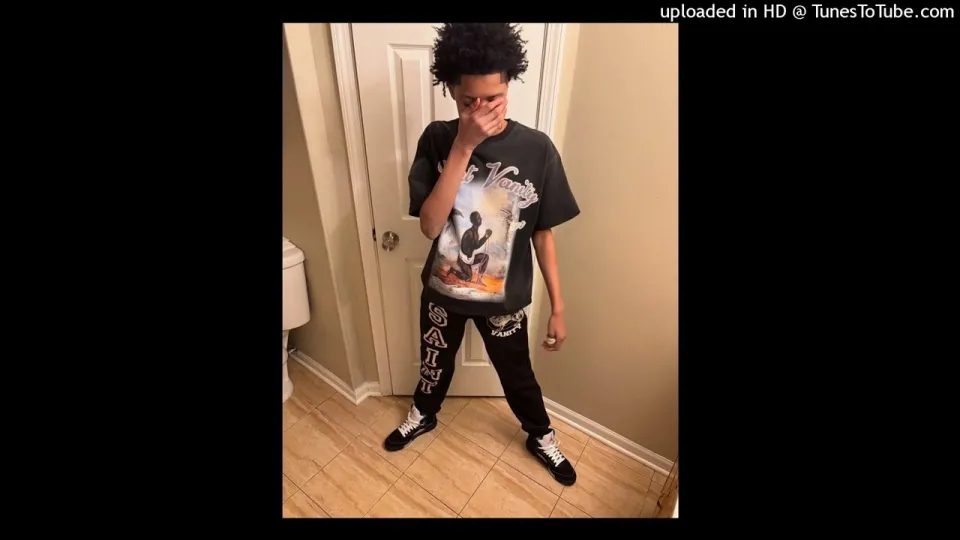
Video: Fullychop type beat “Run down”
Need articles like this for your video? They help promote it on YouTube and Google — order them in the Telegram bot @sat_sit_bot. It writes articles around your video, embeds the video and publishes them on popular niche websites (no ads). Try it free: 50 articles on us.
· based on the channel Prod.Eman32x
Key takeaways
- A type beat is an original instrumental built in the style of a specific artist or regional scene, sold or shared under the producer's own terms.
- Prod.Eman32x released the Fullychop type beat "Run down" on 24 September 2026 and marks it free for non-profit use only.
- The license requires crediting eman32x in the title or description of any upload.
- The beat is explicitly not cleared for Spotify or Apple Music distribution; commercial release needs a purchased license.
- Tags on the release point to Lil Tony, L5, Lil Rae, Lil Dre6o and Atlanta drill sample styles.
A type beat is an original instrumental written in the style of a particular artist, region or subgenre, released by the producer under their own name and licensing terms rather than as an official song. In practice, that means a beat like Fullychop "Run down" from Prod.Eman32x is a standalone production you can write and record over, but the producer keeps control of how it can be used and sold.
Type beat meaning and how the format works
The word "type" describes the reference, not the owner: a Lil Tony type beat sounds like the Atlanta scene around Lil Tony and L5, but the music is 100% the producer's composition. Producers tag these instrumentals with artist names because that is how rappers and engineers actually search for a sound — a rapper looking for a dark, sample-driven Atlanta drill loop types an artist name, not a tempo.
Three things define the format:
- Original composition. The producer builds the melody, drums and arrangement from scratch; no uncleared artist vocals are used.
- A style reference. Tempo, drum selection and sample treatment imitate a scene — in this case the Atlanta drill and sample-beat lane.
- A license tier. Free for non-profit, lease, or exclusive. The tier decides what you can do with the recording.
Because the producer owns the beat, a type beat is not a remix and not a bootleg. It is a production you license, and the license is what separates a SoundCloud demo from a release.
Licensing terms on Fullychop "Run down"
Prod.Eman32x publishes the beat as free for non-profit use only, with credit required and streaming platforms excluded. The channel description states the rules directly: the beat is free for non-profit work, the producer must be credited as eman32x in the title or description, and it is not free for Spotify or Apple Music.
That structure is standard in the type beat market and breaks down into concrete obligations:
- Credit: put "eman32x" in the upload title or the description, so the production is attributable.
- Non-profit only: no monetized release, no paid distribution, no commercial sync.
- No DSP release: Spotify and Apple Music are explicitly off-limits under the free tier.
- Purchase for profit: the producer asks buyers to contact him on Instagram at Eman32x_ to buy beats and clear commercial use.
If a track is going to earn money, the free download is the wrong starting point. Buying a lease or exclusive before release is cheaper than a takedown or a claim after the song gains traction.
How to record on a type beat without losing your rights
The safest workflow is to settle the license before you write, not after the song is finished. A practical order of operations:
- Download and log the source. Save the beat file, the video URL and the date you accessed it.
- Read the terms on the page, not in a repost. Terms can differ between the producer's channel and third-party uploads.
- Choose the tier that matches your plan. Non-profit for practice and free uploads; lease or exclusive for anything monetized or distributed.
- Add the credit exactly as requested. On this beat, the producer name goes in the title or description.
- Keep the receipt. A screenshot of the purchase or the license message protects you if a claim appears later.
One more detail matters for mix quality: record over the untagged or purchased file rather than a tagged preview, and ask the producer for the tracked-out stems if you plan to release. Stems make it possible to mix around your vocal instead of fighting the beat.
What the comments reveal about working with free beats
The reaction to "Run down" shows the two things that decide whether a free beat turns into a real song: how fast the idea arrives, and whether the paperwork is handled. Listeners describe the drop as hitting immediately, and several say they are writing or shooting videos to it right away — which is exactly the window a type beat is built for.
At the same time, the thread carries the usual friction of the free tier. One commenter jokes about being sued, and another asks who can ghostwrite for them; both point at the same gap between downloading a beat and releasing a record. The practical answer is boring but reliable: check the license, credit the producer, and buy the beat before you monetize. Writers who want help with hooks or verses should also settle writing splits in writing, because a ghostwriter's contribution is a separate rights issue from the beat license.
A third theme is promotion. Artists in the comments are pitching their cities, their names and their upcoming videos, which is a reminder that a type beat is a marketing format as much as a musical one: the producer's tags put the beat in front of a scene, and the rapper's upload puts the verse in front of the same audience.
Reading the tags on a drill type beat
The hashtags and keywords on "Run down" map the beat to a specific market: Lil Tony, Lil Rae, Lil Dre6o, L5, Raq Baby, 2sdxrt3all and Atlanta drill sample beats. For a producer, that list is search infrastructure; for a rapper, it is a short description of the sound.
If you are shopping for beats, use the tags as a filter:
- Artist tags tell you whose flow the beat was designed around.
- Region tags such as Atlanta drill signal tempo range and drum character.
- Format tags like "sample type beat" or "freestyle type beat" tell you whether the loop leads or the drums do.
A beat tagged for several artists in the same scene is usually a versatile one — the producer is signalling that the loop leaves room for different cadences. That is also why the same instrumental can carry a freestyle, a hook-driven track or a full song structure.
Pricing and when to move from free to paid
The free tier exists to build a catalog of placements, not to give away masters. Producers typically price leases in the tens of dollars per beat, with exclusives running into the hundreds or thousands depending on the producer's profile, and the free-for-non-profit tier sits below all of it.
Move up to a paid license when any of these become true:
- you plan to distribute to Spotify, Apple Music or any paid streaming service;
- you want to monetize the video or sell the track;
- you need stems for a professional mix;
- you want exclusivity so another artist cannot use the same beat.
Until then, a credited non-profit upload is a legitimate way to test a sound, build a following and get feedback — provided the credit is there and the release stays unmonetized.
The bottom line on type beats
A type beat is a licensed instrumental built on a style reference, and the license is the part that matters. Prod.Eman32x's Fullychop "Run down" follows the standard free-for-non-profit model: credit eman32x in the title or description, keep it off Spotify and Apple Music, and buy the beat through Instagram at Eman32x_ before any commercial release. The format works because it gives rappers a fast route to a scene-specific sound and gives producers a searchable catalog. Treat the terms as part of the creative process, and the free download becomes a stepping stone instead of a liability.
Questions & answers
Can I put a free type beat on Spotify or Apple Music?
Not under a free-for-non-profit license. Prod.Eman32x states directly that the Fullychop "Run down" beat is not free for Spotify or Apple Music, so a commercial release requires a purchased lease or exclusive from the producer before distribution.
What exactly do I have to write in the credit?
The producer asks for eman32x in the title or description of your upload. Keep the spelling consistent with the channel name so the credit is searchable and the production can be traced back to him.
Is it legal to record a song over a type beat?
Yes, as long as you follow the license attached to that beat. A type beat is an original instrumental owned by the producer, so recording for non-profit use with credit is fine, while monetized release or streaming distribution needs a paid license.
How do I know which artists a type beat is made for?
Read the tags. The "Run down" release is tagged for Lil Tony, L5, Lil Rae, Lil Dre6o, Raq Baby and 2sdxrt3all, plus Atlanta drill and sample-beat keywords, which together describe the tempo, drum style and flow the instrumental was built around.